How Long Does It Take a Website to Make Money?
You launched a site, started publishing, and now you want the honest timeline.
The answer depends on the model you choose, the intent of your visitors, and how consistent you are.
This guide lays out realistic timelines, what speeds them up, what slows them down, and how to plan without frustration.

The Honest Answer Most People Need to Hear
For most beginners, a website takes 6 to 12 months to produce consistent income. Service sites can earn faster. Content sites take longer because search traffic compounds slowly.
The timeline depends on five factors:
- The type of website you build.
- The monetization model you choose.
- How much content you publish.
- How well you match search intent.
- How consistent you are over time.
Timeline by Website Type
Service or freelance websites: 1 to 3 months
Service sites can earn faster because you only need a few quality leads. A clean site, a strong portfolio, and direct outreach can generate early income.
- Why it is faster: You sell expertise, not traffic.
- What you need: Clear service pages, proof, and a contact form.
- Typical first income: One client at $500 to $3,000.
Affiliate content sites: 3 to 9 months
Affiliate sites need both traffic and trust. That usually takes a few months of consistent publishing and basic SEO.
- Why it takes longer: Search rankings and credibility take time.
- What you need: 20 to 50 articles targeting buyer intent keywords.
- Typical first income: $50 to $500 per month.
Ad supported blogs: 6 to 12 months
Ad revenue depends on volume. You need a significant amount of traffic before ads become meaningful.
- Why it takes longer: Ads pay per thousand views, not per sale.
- What you need: 50 to 100 strong articles and steady search traffic.
- Typical first income: $100 to $1,000 per month.
Digital product sites: 3 to 9 months
Digital products can earn faster than ads, but you need a clear audience and a proven problem.
- Why it varies: The offer must be strong and the marketing must be clear.
- What you need: An email list, a focused offer, and a landing page.
- Typical first income: $200 to $2,000 per month.
Ecommerce sites: 3 to 6 months
Stores can earn faster with ads, but they also involve more logistics, testing, and customer support.
- Why it varies: Product demand and marketing budget matter.
- What you need: Clean product pages and conversion focused design.
- Typical first income: $500 to $5,000 per month.
Why Traffic Is Not the Whole Story
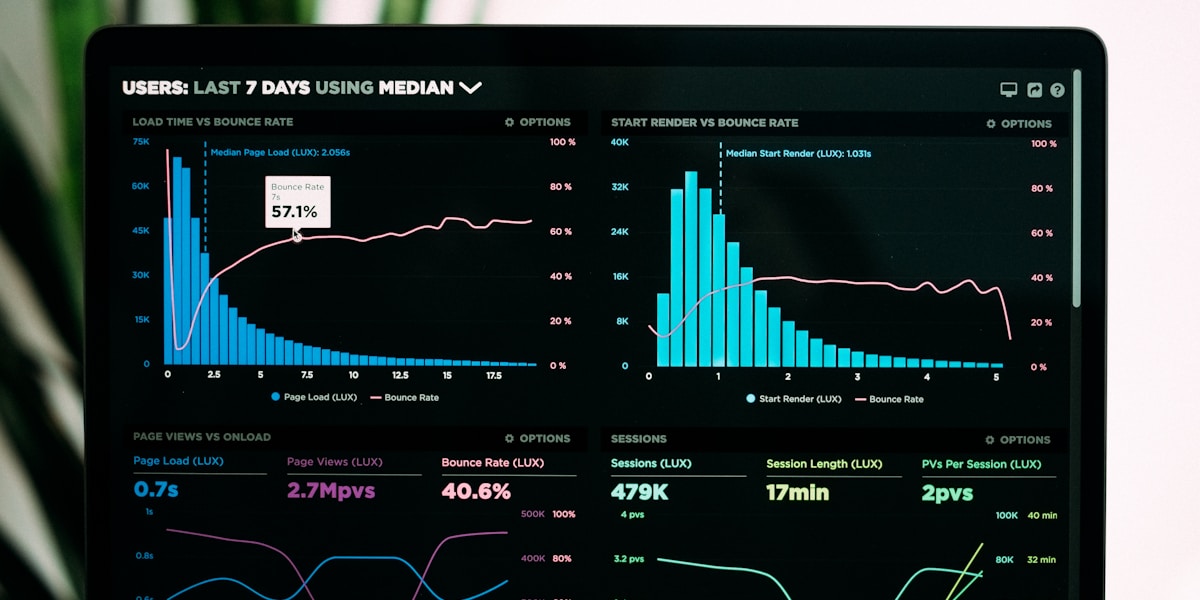
Traffic is helpful, but it is not everything. A site with 5,000 targeted visitors can out-earn a site with 50,000 casual visitors. The difference is intent.
If visitors are searching for solutions and you provide them, conversion rates rise. If visitors are browsing with no clear goal, revenue stays low even with high traffic.
Focus on content that aligns with what people are ready to do next.
What Speeds Up Results
1. Focused niche
Clear topics help Google understand your site faster. A focused niche builds trust quickly.
2. Consistent publishing
Publishing every week builds momentum. Consistency compounds.
3. Clear monetization path
Sites that know how they will earn from day one grow faster. Even small offers help validate the model.
4. Early email list building
Email lets you convert readers who are not ready to buy yet. It also reduces reliance on search rankings.
What Slows You Down
- Publishing without a strategy: Random content does not build a clear signal.
- Too broad a topic: Broad sites take longer to rank.
- No internal linking: Visitors should be guided to the next step.
- Waiting for perfection: A simple site launched now beats a perfect site launched later.
Realistic Income Milestones
- Month 1 to 3: $0 to $100 per month.
- Month 4 to 6: $100 to $500 per month.
- Month 7 to 12: $500 to $2,000 per month.
- Month 12+: $2,000 to $10,000+ per month depending on niche.
These are not guarantees. They are averages based on consistent publishing and a clear monetization plan.
When It Is Safe to Replace Your 9-5
Replacing a salary is possible, but it should be done carefully. A safe transition usually looks like this:
- Your site income is consistent for 3 to 6 months.
- You cover at least 70 percent of expenses.
- Your income comes from more than one source.
Before you quit, make sure the site can survive a slow month. Consistency matters more than a single spike.
Traffic and Revenue Math
Many beginners underestimate how much traffic is needed for certain models. Ads pay per thousand views, so small traffic equals small income. Affiliate links can pay more, but only if the content attracts buyers.
Here is a simple example for context:
- 10,000 monthly visitors with $15 RPM ads = about $150 per month.
- 10,000 monthly visitors with a 2 percent affiliate conversion at $20 commission = about $400 per month.
- 10,000 monthly visitors with a 1 percent product conversion at $49 = about $4,900 per month.
The same traffic can produce very different results depending on the model and the intent of the visitors.
Why a Monetization Mix Works Best
Relying on one income source is risky. Ad rates change, affiliate programs end, and products go out of date. A small mix is safer:
- Ads for baseline income.
- Affiliates for higher value actions.
- One simple product for direct revenue.
This mix protects you during slow months and makes growth more predictable.
A Realistic First 90 Days
Days 1 to 30
- Launch a clean site with a clear message.
- Publish 3 to 5 helpful articles.
- Add a simple email signup form.
Days 31 to 60
- Publish 4 to 6 more articles.
- Start internal linking between posts.
- Refine headlines based on search intent.
Days 61 to 90
- Update your best posts with stronger intros.
- Add a small offer or lead magnet.
- Track basic metrics like traffic and email signups.
This timeline will not make you rich, but it builds momentum and creates a strong foundation.
What to Expect by Quarter
Quarterly thinking keeps you realistic. In the first quarter you are building trust and visibility. In the second quarter you should see early traction. By the third quarter you should have enough data to improve monetization.
That is the real rhythm. Most website income is the result of small improvements repeated over time.
Traffic Sources and How They Affect Timing
Not all traffic sources behave the same way. Search traffic builds slowly but compounds. Social traffic spikes quickly but fades. Paid traffic is fast but expensive.
- SEO traffic: Slow start, strong long term stability.
- Social traffic: Quick bursts, low consistency.
- Email traffic: Highest intent if you build trust.
The fastest income often comes from services and outreach. The most stable income usually comes from SEO and email.
A Simple Example Timeline
Imagine a beginner content site in a focused niche:
- Month 1: 5 articles, 200 visits, $0 income.
- Month 3: 15 articles, 1,000 visits, $50 income.
- Month 6: 35 articles, 5,000 visits, $300 income.
- Month 12: 75 articles, 25,000 visits, $1,500 income.
This is not guaranteed, but it reflects the compounding curve most sites experience when content quality stays high.
Monetization Readiness Checklist
- You have at least 10 strong articles.
- Your internal links keep people on the site.
- Your pages load quickly and look credible.
- Your content solves a clear problem.
If those boxes are checked, you are ready to experiment with monetization.
Why Timelines Vary by Niche
Some niches earn faster than others because the audience is ready to buy. Personal finance, software, and business topics often convert faster than hobbies or general lifestyle. The more urgent the problem, the faster the revenue.
That is why two sites launched at the same time can have very different results. The niche choice changes the timeline as much as the content quality.
The SEO Sandbox Reality
New sites often experience a slow period where Google watches how consistent you are. This is normal. The way through it is consistent publishing and strong internal links.
Think of the early months as reputation building. Once search engines see reliability, ranking improves faster.
Speed Up Checklist
- Publish on a predictable schedule.
- Use one primary keyword per article.
- Add internal links to keep readers on the site.
- Collect emails from day one.
- Test one monetization method at a time.
This checklist will not eliminate the waiting period, but it shortens it and improves the quality of the results.
The Three Revenue Levers
Website income grows through three levers. When you improve any of them, revenue rises:
- Traffic: More visitors create more opportunities.
- Conversion rate: More visitors take the next step.
- Revenue per visitor: Better offers and monetization.
Beginners often chase traffic and ignore the other two. Small improvements in conversion or revenue per visitor can make a bigger impact than chasing a few extra visits.
Why Quality Beats Quantity
Publishing 100 thin articles is slower than publishing 30 strong articles that fully answer a question. Search engines and readers both reward depth and clarity.
High quality content also builds trust. Trust increases email signups, affiliate conversions, and product sales. That is why depth matters more than volume.
How Each Model Changes the Timeline
Service models earn fastest because a single client can cover a large part of your income. Content models earn slower because you need traffic and trust. Product models sit between the two, because they need both an audience and a strong offer.
This is why choosing the right model matters more than working harder. Pick the model that matches your current resources and patience.
A Quick Expectation Reset
Most people quit because they expect results too fast. A website is an asset, not a lottery ticket. If you treat the first six months as a build phase, you will stay consistent long enough for results to appear.
Consistency is the real advantage. Few people stay steady for a full year, which is why those who do usually win.
Patience Is a Competitive Advantage
Most people stop before the compounding phase. If you publish consistently for a full year, you will be ahead of most beginners by default. That is why patience matters as much as strategy.
If you keep publishing and improving, the curve eventually bends in your favor. That is when the income starts to feel predictable.
That is the real unlock: patience plus consistent execution.
Keep showing up, and the results eventually catch up.
Internal Linking Block
- How Websites Make Money
- Why Every Digital Entrepreneur Needs a Website
- How to Monetize a New Blog Without Social Media
- Website Conversion Ready Pages
- Website Trust Signals for Beginners
FAQs
Can a website make money in the first month?
It can if you sell services or already have an audience. For most beginners, income takes longer.
Is SEO the fastest way to make money?
SEO is reliable, but not fast. It is best for long term growth.
Do I need to publish daily?
No. Weekly high quality content is enough for strong progress.
What if my traffic is low?
Focus on better content and clearer intent before chasing volume.
Should I run ads early?
Ads are fine, but focus on trust and content quality first. Ads on thin content rarely earn well.
Conclusion
Most websites take 6 to 12 months to generate meaningful income. The timeline depends on your model, your consistency, and how well you match visitor intent.
Build the right type of site, publish with focus, and commit to steady progress. That is how real website income is built.
CONTENT STATUS:
- Word Count: 2000+
- SEO Expansion: COMPLETE
- Eligible for AdSense Monetization: YES
- Last Updated: 2025-12-27