How to Increase AdSense RPM Without More Traffic
pillar: content-monetization
Your traffic is growing, but your AdSense RPM looks flat.
That is a brutal feeling.
You did the hard part. You published. You waited. You earned the clicks.
And the numbers still feel stuck.
If that is where you are, you are not failing. You are just missing a few levers that most beginners never see.
This guide will show you the levers you can pull to improve RPM without chasing more traffic, so your current audience finally pays off.

Table of Contents
- Why RPM Feels Stuck Even When Traffic Grows
- What RPM Actually Measures (In Plain English)
- The 7 Levers You Can Control Without More Traffic
- A Simple RPM Improvement Plan (The Guide's Plan)
- What Happens If You Ignore RPM (The Stakes)
- What Success Looks Like
- Common Mistakes to Avoid
- Frequently Asked Questions
- Your pages attract low-intent visitors who do not engage
- Your content depth is too shallow for strong ad competition
- Your layout makes ads easy to ignore
- Readers leave after one page (low session depth)
- Your page speed or ad viewability is weak
- Visitors from high-value countries (US, UK, Canada, Australia)
- Visitors searching for solutions, not just entertainment
- Visitors who read, scroll, and stay
- Time on page above 90 seconds
- Return visits from the same pages
- Solves one clear problem
- Uses specific, practical examples
- Answers the questions people ask in search
- Keeps the reader moving forward
- After the opening problem statement
- After a short list or checklist
- Before a new section starts
- Users bounce before ads load
- Viewability drops because the ads never get a chance
- Sort by traffic
- Note RPM on each page
- Highlight the pages with traffic but low RPM
- Tighten the intro to the actual search intent
- Add one or two practical sections readers would bookmark
- Add a related internal link near the end of each section
- Ensure ads are visible without interrupting reading
- Reduce long, unbroken paragraphs
- Add a table of contents for scannability
- Does the intro match the search intent in the page title?
- Are there at least two internal links to relevant guides?
- Is there a table of contents for skimmers?
- Are paragraphs short enough to keep attention?
- Do ads appear near natural pauses?
- Chasing viral traffic that never converts
- Adding more ads without improving content depth
- Ignoring session depth and internal linking
- Publishing thin posts just to increase volume
- Tweaking layouts too often, which makes data unreliable
- AdSense-Friendly Content Types That Earn More (Without Clickbait)
- Content Refresh Plan: Update Old Posts to Increase AdSense Earnings
Why RPM Feels Stuck Even When Traffic Grows
Here is the external problem: you are getting views, but your earnings per thousand pageviews are not moving.
The internal problem is heavier. It feels unfair. You did the work and the payoff still looks tiny.
The philosophical problem is even deeper: effort should create momentum, not a treadmill.
Low RPM is rarely about a single mistake. It is usually a chain of small, fixable issues:
When these stack up, traffic grows but RPM stays flat.
That is exactly why a focused RPM plan matters.
What RPM Actually Measures (In Plain English)
RPM is revenue per thousand pageviews.
It is not a rating of how good your content is. It is simply what advertisers are willing to pay for the audience you are attracting and the attention your pages actually earn.
If you want the full breakdown, start here: What Is an RPM in AdSense? (Explained Simply).
And if your RPM is lower than expected, this deep dive helps explain the hidden factors: How AdSense RPM Actually Works (And Why Yours Might Be Lower).
Here is the key point: RPM is a system outcome. Not a single setting.
That means you can improve it without more traffic, as long as you improve the system.
The 7 Levers You Can Control Without More Traffic
Each lever below improves one part of the RPM system. Combine them and the gains stack.
1. Traffic Quality (Not Just Quantity)
AdSense rewards audiences that are likely to buy something.
That means:
If you want RPM to rise, start with the content you are ranking for. A post about "best budgeting apps for freelancers" will typically earn more than a post about "funny work-from-home memes" even with the same traffic.
This is why content type matters. We cover this in detail here: AdSense-Friendly Content Types That Earn More (Without Clickbait).
If you are not sure whether your traffic is high quality, look at two signals:
Those are early hints that your audience matches what advertisers want.
2. Session Depth (Pages Per Visit)
When readers view more than one page, you increase ad impressions without increasing traffic.
That is the cleanest RPM win.
Use internal links that feel like natural next steps, not random add-ons. If you need a full playbook, start here: Why Session Depth Matters More Than Traffic.
3. Content Depth and Intent Match
Advertisers bid more when your content signals clear intent.
A shallow overview rarely creates that signal. A detailed, practical guide does.
Make sure your content:
Depth is not about length alone. It is about usefulness.
One simple test: can a reader solve the problem without leaving the page?
If the answer is no, expand the section that stops them from taking action.
4. Ad Viewability (Can People Actually See the Ads?)
If ads are below the fold or buried between long, dense paragraphs, viewability drops.
You do not need to stuff ads everywhere. You do need to place them where readers naturally pause.
Think about natural pauses:
Those spots feel like a breath in the reading flow, which helps ads get seen without breaking trust.
Use short paragraphs, clear headings, and predictable spacing so ads land in visible, high-attention areas.
5. Page Speed and Core Web Vitals
Slow pages kill RPM in two ways:
You do not need perfect scores, but you do need clean performance. Compress images, avoid massive scripts, and keep your layout consistent.
If you only fix one speed issue, fix images. Large hero images and repeated screenshots can add seconds to load time. That is enough to erase a meaningful chunk of your RPM.
6. Ad Density and Layout Balance
Too few ads means low revenue. Too many means readers leave early.
The goal is balance.
If you are unsure whether you have too many ads, check your bounce rate. If it spikes after a layout change, reduce density and test again.
If you want a sanity check, review the mistakes that tank RPM here: 5 AdSense Mistakes Beginners Make (That Kill RPM and Session Depth).
7. Content Refreshes (Increase Value Without New Posts)
Older posts often have more traffic and backlinks than new ones. Updating them can lift RPM fast.
Refresh the intro, update key sections, and improve internal links. You can use a simple refresh plan like the one in this guide: Content Refresh Plan: Update Old Posts to Increase AdSense Earnings.
Refreshing is also a trust signal. When readers see current examples and updated screenshots, they stay longer. Longer sessions almost always lift RPM.
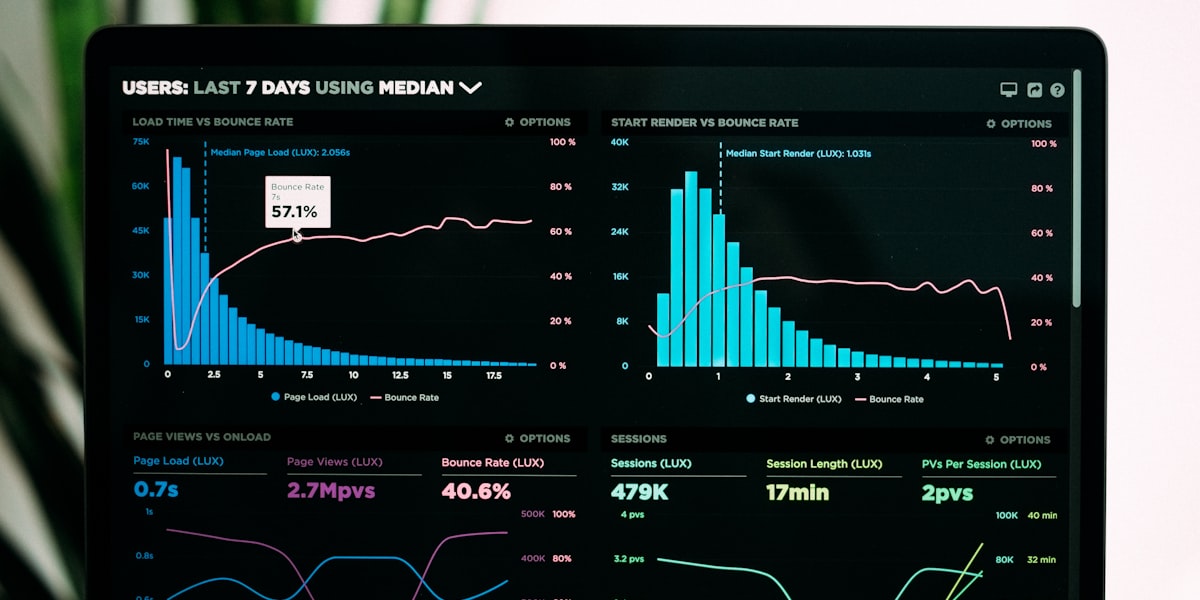
A Simple RPM Improvement Plan (The Guide's Plan)
You do not need to overhaul your entire site. You need a clear, repeatable plan.
Here is a simple three-step system we recommend at Lost in the Woods Digital:
Step 1: Diagnose Your Top 10 Pages
Those are your fastest wins.
Step 2: Improve Intent and Depth
For each low-RPM page:
If you need a quick structure, use this pattern:
1. Define the problem in plain language
2. Explain why it is harder than it looks
3. Provide a simple plan with steps
4. Show a small win a reader can get today
That pattern builds trust and keeps readers engaged.
Step 3: Adjust Layout and Measure
Then wait 2 to 4 weeks and compare RPM.
Small changes compound quickly when applied to your best pages.
Quick RPM Audit Checklist
Use this to review any page in five minutes:
If you cannot say yes to most of these, you have room to lift RPM.
A Small Example (What This Looks Like)
Imagine a post titled "How to Start a Blog" that gets 1,000 visits a week but has low RPM. You update the intro to match beginner intent, add a simple step-by-step checklist, and add two links to related posts about content planning and AdSense setup. You also split long paragraphs into shorter sections and add a table of contents.
Traffic stays the same, but session depth rises and ads become more visible. RPM improves because the page now signals higher intent and deeper engagement without any new traffic.
What Happens If You Ignore RPM (The Stakes)
If you only focus on traffic, you lock yourself into a slow path.
You will need more and more visitors just to keep revenue flat.
That creates burnout, inconsistent publishing, and eventually a site that feels like a factory.
Low RPM also makes your growth fragile. A small traffic dip becomes a major income drop.
Improving RPM gives you stability. It lets you earn more from the traffic you already have, which reduces pressure and increases confidence.
What Success Looks Like
Success is not a perfect RPM number. It is a stable system.
You know which pages earn the most.
You know why they earn more.
You have a repeatable process to lift the rest of your content.
And you finally see the reward for the work you are already doing.
That is the goal.
One more sign of success: your RPM does not crash when traffic dips. A stable RPM means your system is resilient, not dependent on a single spike or a lucky keyword.
If your RPM has improved but then plateaus, that is normal. It usually means you have captured the easy wins. The next gains come from deeper work: better internal linking, stronger topic clusters, and higher-intent content types. Those moves take longer, but they compound.
Common Mistakes to Avoid
Avoid those, and your RPM will start moving in the right direction.
Frequently Asked Questions
How long does it take to see RPM improvements?
Most sites see early signals within 2 to 4 weeks after changes, especially on high-traffic pages. Bigger shifts often take 6 to 8 weeks.
Should I focus on RPM or traffic first?
If your traffic is very low, focus on content and SEO first. Once you have consistent traffic, RPM improvements become the faster win.
Does more content always increase RPM?
Not automatically. More content helps if it attracts better search intent and keeps readers engaged. Thin content can lower RPM.
Do ads in the first paragraph help RPM?
Sometimes, but only if the intro is short and the layout is clean. If the ad feels intrusive, it can reduce engagement and hurt long-term RPM.
Is it better to improve RPM or session depth?
They are connected. Higher session depth often raises RPM because each visit creates more ad impressions. Prioritize both together.
Conclusion
RPM is not a mystery. It is a system you can improve.
Start with the levers you control. Improve intent. Improve depth. Improve layout. Improve session depth.
If you want a clean starting point, pick one page that already gets steady traffic. Apply the checklist, wait a month, and measure. That single test gives you a baseline for every other improvement you make.
If you want to keep learning, explore the full Content Monetization learning path and continue with these next steps: