How to Use Internal Linking Like a Pro for SEO (Without Confusing Your Readers)
You've been publishing articles for weeks. Maybe months. You're putting in the work, researching topics, writing helpful content. But something feels off.
Readers land on one article and leave. They don't explore. They don't click deeper into your site. Google seems to treat each page like it exists in isolation, not part of a larger resource.
The missing piece? Internal linking.
Most beginners either ignore internal links entirely or add them randomly, hoping for the best. Neither approach works. But here's the truth: internal linking isn't complicated. You don't need technical knowledge or expensive tools. You just need a simple framework that makes sense for both readers and search engines.
That's what this guide gives you.
Table of Contents
- What Internal Linking Actually Means (And Why It's Not Complicated)
- Why Internal Linking Matters More Than You Think
- The Five Rules of Pro-Level Internal Linking
- Step-by-Step: How to Add Internal Links to Your Articles
- Common Internal Linking Mistakes (And How to Avoid Them)
- Real Examples of Internal Linking Done Right
- Tools to Help You Manage Internal Links
- FAQ: Internal Linking Questions Answered
- Your Next Steps

What Internal Linking Actually Means (And Why It's Not Complicated)
Let's start simple.
An internal link is a clickable link that takes someone from one page on your website to another page on the same website. That's it. If you've ever clicked "Related Articles" at the bottom of a blog post or navigated from your homepage to your About page, you've used internal links.
Contrast this with external links, which point to other websites entirely. When you link to a study, a tool, or a news article on another domain, that's an external link. Internal links keep people within your site.
Why do search engines care about internal links? Because they use them to discover and understand your content. When Google crawls your homepage, it follows the links on that page to find other pages. Then it follows links on those pages to find even more. This web of connections helps search engines map your entire site, understand which pages relate to each other, and determine which topics you have real authority on.
Why do readers care? Because internal links create pathways. They help confused beginners find the foundational content they need. They guide intermediate learners to the next logical topic. They reduce the overwhelming feeling of not knowing where to start.
The difference between a helpful site and a confusing one often comes down to how well you connect your content.
Why Internal Linking Matters More Than You Think
You might be thinking: "I have a navigation menu. Isn't that enough?"
Not quite.
Your navigation menu is essential, but it's limited. It points to your main pages—Home, About, Blog, Contact. It doesn't connect the dots between your individual articles. That's where strategic internal linking makes all the difference.
How Google Uses Internal Links to Understand Your Site
When Google crawls your site, it's trying to answer three questions:
- What pages exist on this site?
- What are those pages about?
- Which pages are most important?
Internal links answer all three.
First, they help with crawling and indexing. Every time Google discovers a new link, it follows it. Pages with no internal links pointing to them—called orphan pages—might never get crawled at all. Even if you submit them manually through Google Search Console, they're harder for Google to prioritize.
Second, internal links distribute something called link equity (sometimes called "link juice"). When one page links to another, it passes a small amount of ranking power. Pages with more internal links pointing to them are often seen as more important or more central to your site's content. This is why your homepage usually ranks well—every page in your navigation links to it.
Third, the anchor text you use in internal links helps Google understand what the linked page is about. If you link to a page using the words "keyword research for beginners," Google understands that page is probably about keyword research aimed at beginners.
How Readers Benefit from Strategic Internal Links
From a reader's perspective, internal links are breadcrumbs.
Imagine you land on an article about writing meta titles. Halfway through, you realize you don't fully understand what keywords are. A well-placed internal link to a beginner's guide on keyword research solves that problem instantly. No need to search Google again. No interruption to their learning.
Or maybe a reader finishes an article about finding low-competition keywords. They're energized. They want to keep learning. A relevant internal link to an article about creating content for those keywords gives them a clear next step.
This isn't just helpful—it's how you build trust. You're showing readers you've thought about their journey. You're reducing confusion. You're acting as their guide.
The Business Case: More Pageviews = More Revenue
If you monetize with Google AdSense or any ad network, internal linking directly impacts your income.
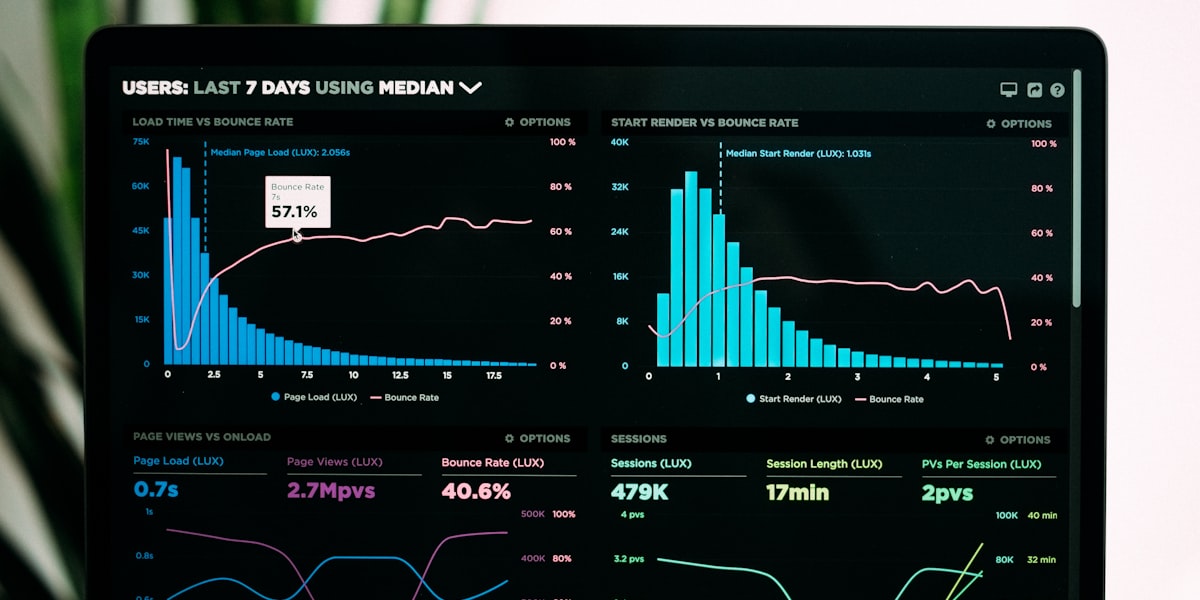
Here's why: Ad revenue is tied to pageviews and session depth. If someone reads one article and leaves, you earn from one ad impression. If they read three articles in one session, you triple your ad impressions—and your revenue.
Internal links are the engine of session depth. They encourage exploration. They reduce bounce rates. They keep people on your site longer.
Even if you don't run ads, session depth matters. More engaged visitors are more likely to join your email list, buy your products, or remember your site when they need help in the future.
The Five Rules of Pro-Level Internal Linking
You don't need a PhD in SEO to link like a pro. You just need to follow five simple rules.
Rule 1: Link Early and Often (But Not Randomly)
Most beginners either forget to add internal links or bury them at the bottom of the article. Both are mistakes.
Start linking early—ideally within the first 200 words. Why? Because many readers don't make it to the end of an article. If they need foundational knowledge to understand what you're writing about, give them that link before they get confused and leave.
How many internal links should you add per article? Aim for 3 to 8 contextual links. That's enough to guide readers without overwhelming them. More than 10 starts to feel spammy. Fewer than 3 means you're missing opportunities.
But don't link randomly just to hit a number. Every link should have a purpose: clarify a concept, provide deeper detail, or suggest a logical next step.
Rule 2: Use Clear, Descriptive Anchor Text
Anchor text is the clickable words in a link. It tells both readers and search engines what to expect on the other side.
Bad anchor text: "Click here to learn more about SEO."
Good anchor text: "Learn the fundamentals of search engine optimization."
The first example is vague and wasted. The second is clear and keyword-rich.
Never use generic phrases like "click here," "read more," or "this article." They provide zero context. Instead, describe what the link is about in a natural, conversational way.
And here's a bonus tip: Aim to include relevant keywords in your anchor text. If you're linking to an article about keyword research, use "keyword research for beginners" as your anchor text instead of "this guide."
This helps Google understand the topic of the linked page and can improve its rankings over time.

Rule 3: Link to Relevant Content Only
This should be obvious, but it's worth stating: Only link to content that's actually relevant to what you're writing about.
If you're writing about email marketing automation, don't randomly link to an article about freelance contracts. It confuses readers and dilutes your topical authority.
Think about it from the reader's perspective. They clicked because they wanted to understand a specific topic. If your internal links send them down unrelated rabbit holes, they'll get frustrated and leave.
Relevance beats quantity. Always.
A helpful way to think about this is topic clusters. Group your content into themes—SEO, freelancing, content creation, productivity, whatever makes sense for your site. Then link heavily within those clusters. An article about on-page SEO should link to other SEO articles, not randomly across your entire site.
Rule 4: Create a Hierarchy (Pillar + Cluster Structure)
Here's where internal linking gets strategic.
The most effective way to organize your content for both readers and search engines is a pillar-and-cluster structure.
A pillar page is a comprehensive, high-level guide on a broad topic. Think "The Complete Guide to SEO" or "Everything You Need to Know About Email Marketing." These pages are usually 3,000 to 5,000 words and cover the entire topic at a foundational level.
Cluster content is more specific. These are individual articles that dive deep into one subtopic. For example, if your pillar is about SEO, your cluster articles might be "How to Do Keyword Research," "Writing Meta Descriptions That Get Clicks," and "Understanding Backlinks for Beginners."
Here's how they connect:
- Your pillar page links to all the cluster articles (giving readers a roadmap).
- Each cluster article links back to the pillar page (creating a central hub).
- Cluster articles can also link to each other when relevant (building a web of related content).
This structure signals to Google that you have deep expertise on a topic. It's not just one article—it's a comprehensive resource.
And for readers? It creates a learning path. They know where to start (the pillar) and where to go next (the clusters).
Rule 5: Link Both Ways (Up and Down the Hierarchy)
This is where beginners often mess up.
They create a pillar page and link from it to their cluster articles. Great start. But then they forget to link back from the clusters to the pillar.
Always link both ways.
When someone finishes reading a detailed article about keyword difficulty, they might want to step back and see the bigger picture. A link to your SEO pillar page gives them that option.
This two-way linking also distributes link equity more evenly. Instead of all your internal link power flowing in one direction, it circulates throughout your content. Pages support each other.
Think of it like a conversation. You don't just talk at someone and walk away. You listen, respond, and keep the exchange flowing. Internal linking works the same way.
Step-by-Step: How to Add Internal Links to Your Articles
Knowing the rules is one thing. Actually implementing them is another. Here's a simple process you can follow every time you publish.
Before You Write: Plan Your Content Clusters
Don't wait until after you've published 50 random articles to start thinking about internal links. Plan ahead.
Start by auditing your existing content. List every article you've published. Then group them into logical categories. If you write about digital careers, freelancing, SEO, and productivity, those might be your clusters.
Once you've identified your clusters, look for gaps. Do you have a pillar page for each cluster? Do you have enough supporting articles? If not, plan to fill those gaps over the next few months.
This upfront planning makes linking 10 times easier. You'll know exactly what you have and where new content fits.
While You Write: Add Links Naturally
Here's a mistake I see constantly: Writers interrupt their flow to add links as they write.
Don't do that.
Write your article first. Get your ideas down. Focus on clarity and value. Then, when you're editing, go through and add internal links where they make sense.
Look for moments where you mention a concept that you've covered in another article. Look for questions readers might have that another article answers. Look for natural transitions between topics.
And place your links strategically:
- Add at least one link in the introduction (if readers need foundational knowledge).
- Add links throughout the body whenever you reference related topics.
- Add a "related articles" section before your conclusion (suggesting next steps).
Your links should feel helpful, not forced. If a link interrupts the reading experience, rethink it.

After You Publish: Update Older Content
Internal linking isn't a one-time task. It's ongoing.
Every time you publish a new article, ask yourself: Which older articles should link to this new one?
For example, if you just published "How to Find Low-Competition Keywords," you should go back to your older article on keyword research basics and add a link to the new piece. This ensures new content gets discovered by both readers and search engines.
Set a reminder to do this monthly. Spend 30 minutes reviewing your older articles and adding links to newer content. It's one of the highest-ROI activities you can do for your site.
Common Internal Linking Mistakes (And How to Avoid Them)
Even with the best intentions, it's easy to mess up internal linking. Here are the mistakes I see most often—and how to fix them.
Mistake #1: Linking to Irrelevant Pages
This is the biggest one.
You're writing about freelance pricing and you randomly link to an article about Google Analytics because, hey, you want more pageviews. Don't.
Readers notice when links don't make sense. It breaks trust. And it confuses Google about what your site is actually about.
Fix: Only link when the connection is obvious and helpful. If you can't explain why the link matters in one sentence, don't include it.
Mistake #2: Using the Same Anchor Text Over and Over
If you link to your keyword research guide from 15 different articles and use the exact same anchor text every time—"keyword research for beginners"—you're creating a pattern that looks unnatural.
Variety matters. Instead, try:
- "Learn how to research keywords effectively"
- "Start with keyword research basics"
- "Understand keyword research fundamentals"
- "Master keyword research"
They all point to the same article but feel more natural to readers and search engines.
Fix: Create a list of 5 to 7 anchor text variations for your most-linked pages. Rotate through them.
Mistake #3: Only Linking from Your Homepage
Your homepage gets the most link equity because your navigation menu links to it from every page. But if you only link to new content from your homepage, you're missing huge opportunities.
Deep links—links from one article to another—are more valuable for building topic clusters and guiding readers on a journey.
Fix: Link contextually within articles. Treat your homepage as one piece of your linking strategy, not the entire strategy.
Mistake #4: Ignoring Orphan Pages
An orphan page is an article with zero internal links pointing to it. Even if it's indexed in Google, it's isolated. Readers can't find it by navigating your site. Google sees it as less important.
Fix: Use Google Search Console or a tool like Screaming Frog to identify orphan pages. Then go back and add internal links from relevant articles.

Mistake #5: Forgetting to Update Old Content
Most people add internal links when they first publish an article and then never touch it again. That's a missed opportunity.
As you publish more content, older articles should link to the new stuff. This keeps your internal linking fresh and ensures all your content is interconnected.
Fix: Schedule a monthly internal linking audit. Pick 3 to 5 older articles and update them with links to newer, relevant content.
Real Examples of Internal Linking Done Right
Let's look at practical examples so you can see exactly how this works.
Example 1: Pillar Page to Cluster Articles
Pillar Page: "The Complete Beginner's Guide to SEO"
Within this comprehensive guide, you'd include sections like:
- "What Is Keyword Research?" → Links to your full keyword research article
- "On-Page Optimization Explained" → Links to your on-page SEO checklist
- "Why Backlinks Matter" → Links to your backlink-building guide
Each link is contextual, relevant, and helpful. Readers can either stay on the pillar page for an overview or dive deeper into specific topics.
Example 2: Related Articles Within the Same Topic
Current Article: "How to Write Meta Titles That Boost Click-Through Rates"
Midway through the article, when you explain that meta titles should include your primary keyword, you link to: "How to Find Low-Competition Keywords Your Competitors Miss."
This makes perfect sense. If someone doesn't know how to find keywords, they can't write effective meta titles. The link fills a knowledge gap.
Example 3: Contextual Links That Guide Learning
Current Article: "How to Start a Blog in 2024"
In the section about choosing a niche, you link to: "How to Choose Your First Content Niche (Without Guessing)."
When discussing content creation timelines, you link to: "Creating Your First 10 Pieces of Content: A Realistic Timeline."
Each link anticipates reader questions and provides answers without forcing them to leave and search Google.
Visual Diagram of Effective Linking Structure
[SEO Fundamentals Pillar Page]
         |
         |--- Links to ---> [Keyword Research Article]
         |--- Links to ---> [On-Page SEO Article]
         |--- Links to ---> [Meta Titles Article]
         |
[Keyword Research Article]
         |--- Links back to ---> [SEO Fundamentals Pillar]
         |--- Links to ---> [Meta Titles Article] (when discussing keyword usage in titles)
         |--- Links to ---> [Content Writing Article] (when discussing creating content for keywords)
Notice how the links flow both ways—from pillar to cluster and back—and cluster articles link to each other when relevant.
Tools to Help You Manage Internal Links
You don't need fancy software to internal link effectively. But a few tools can make the process easier.
Free Tools
Google Search Console
Shows which pages have the most internal links pointing to them. Use the "Links" report to identify orphan pages or pages that aren't getting enough internal link love.
Screaming Frog SEO Spider (Free Tier)
Crawls your site (up to 500 URLs on the free version) and shows you which pages link to what. Great for finding orphan pages or visualizing your internal linking structure.
Manual Spreadsheet Tracking
Create a simple spreadsheet with columns for Article Title, URL, Topic Cluster, and Internal Links To/From. Update it every time you publish. Low-tech but effective.
Paid Tools (Optional for Beginners)
Ahrefs Site Audit
Crawls your entire site and identifies internal linking issues: orphan pages, broken links, pages with too few or too many internal links. The "Link Opportunities" feature suggests where you should add internal links.
SEMrush Internal Linking Tool
Similar to Ahrefs but with a slightly different interface. Shows your internal link distribution and highlights opportunities to improve.
Yoast SEO (WordPress Plugin)
If you use WordPress, Yoast has a built-in feature that suggests internal links as you write. It scans your existing content and recommends relevant articles to link to based on your current draft.
Honestly? If you're just starting out, stick with the free tools. Once you have 50+ articles and internal linking becomes more complex, consider upgrading.
FAQ: Internal Linking Questions Answered
How many internal links should I add per article?
Aim for 3 to 8 contextual internal links per article. This is enough to guide readers and distribute link equity without overwhelming anyone. Articles longer than 2,500 words can handle more (8 to 12), while shorter posts might only need 2 to 4.
Can you have too many internal links?
Yes. If every other sentence has a link, readers get distracted and overwhelmed. Google might also see it as spammy. Focus on quality over quantity. Only link when it genuinely adds value.
Should I link to every related article?
No. Link to the most relevant and helpful content. If you have five articles on keyword research, don't link to all five from every SEO article. Link to the one that best matches the context and the reader's likely next question.
Do internal links help SEO rankings?
Yes, but indirectly. Internal links help Google crawl and index your pages, distribute link equity, and understand your site's topical structure. Pages with more strategic internal links often rank better because they're seen as more important and authoritative within your site.

What's the difference between dofollow and nofollow for internal links?
For internal links, you almost always want "dofollow" (which is the default). This allows link equity to flow from one page to another. "Nofollow" tells search engines not to pass link equity. You'd only use nofollow for internal links in rare cases, like linking to user-generated content or pages you don't want to vouch for.
How do I find pages to link from?
Use Google's site search operator. In Google, search:site:yoursite.com "keyword or topic"
This shows all pages on your site that mention a specific keyword or topic. Those are potential places to add an internal link to your new article.
Your Next Steps: Start Linking Strategically Today
Internal linking isn't something you master overnight. But you can start small and build momentum.
Here's your quick-start checklist:
✅ Audit your existing content. List your articles and group them into topic clusters.
✅ Identify orphan pages. Find articles with no internal links and fix them this week.
✅ Add 3-5 internal links to your next article. Make them contextual, relevant, and helpful.
✅ Update one older article per week. Add links to newer content you've published.
✅ Create a pillar page for your strongest topic cluster if you don't have one yet.
Don't aim for perfection. Aim for progress.
Every internal link you add is a small investment in your site's long-term success. Over time, those investments compound. Your content becomes more connected. Readers explore more deeply. Search engines understand your expertise. Revenue grows.
You don't need to do everything at once. Just start linking intentionally.
Continue your SEO learning:
Discover how to write meta titles that boost click-through rates and learn how to find hidden gem keywords your competitors miss. Building a strong SEO foundation means connecting the right strategies in the right order—and internal linking is the thread that ties it all together.